Tai Chi for Balance: A Seated Way to Build Body Awareness
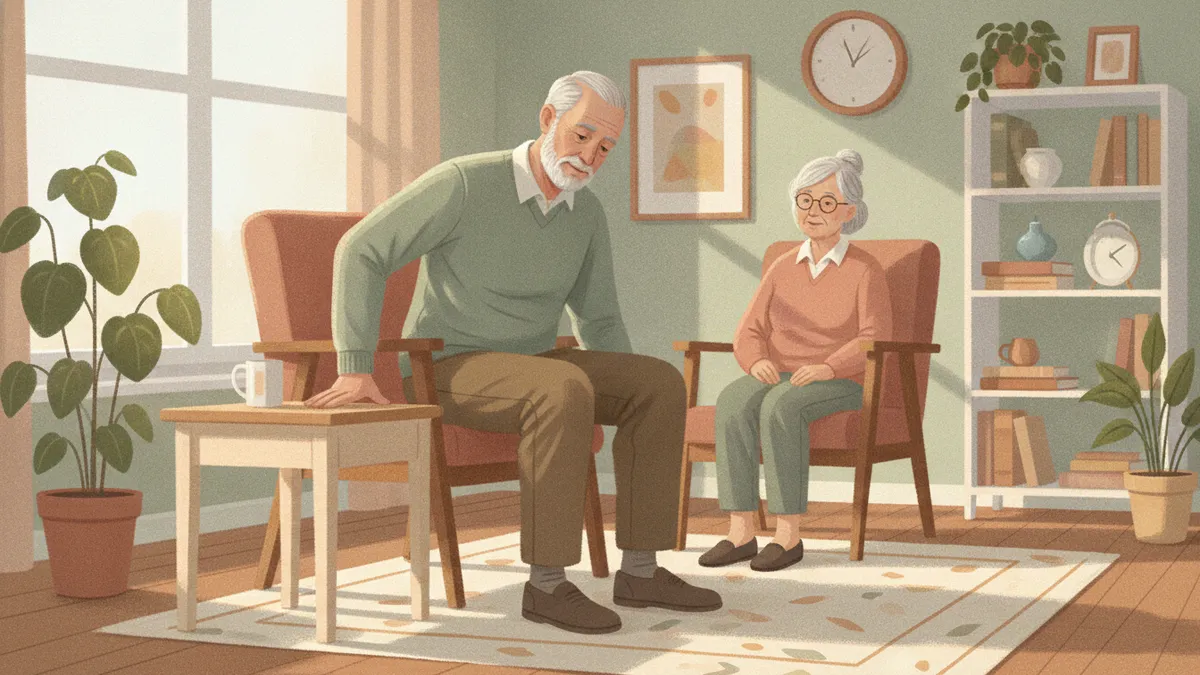
Balance is not just about the legs. It is also about knowing where your body is, standing tall without effort and shifting your weight smoothly. That is exactly what tai chi trains, and the seated version lets you practice the first part in a place where you feel secure.
This guide explains how tai chi relates to feeling steady, which seated exercises build awareness, how to practice safely and how to keep going. It is written for adults who want to move with more confidence, not for anyone seeking a medical cure.
Why tai chi is associated with steadiness
Tai chi has long been popular with older adults because its movements are slow, deliberate and low impact. Everything in a tai chi form is about weight: you shift it, you notice it, you move from your center. You also practice keeping the head level, the spine long and the breath calm. Those habits are the building blocks of feeling steady.
Because the movements are slow, you have time to notice what is happening in your body. That awareness, often called body awareness or proprioception, is a big part of why people who practice tai chi talk about feeling more "in" their bodies.
We keep the language modest on purpose. Tai chi is gentle movement and a mindful practice. It is not a treatment, and it should not replace guidance from your doctor or physical therapist if you have concerns about falls or balance.
Starting seated
Standing balance work is useful, but many people feel nervous about it, and that nervousness gets in the way of learning. Starting in a chair removes the fear and lets you train the foundations.
What you can practice seated:
- Posture. Sitting tall without stiffness, with the crown of the head lifted and the shoulders soft.
- Weight awareness. Feeling both sit bones on the seat and both feet on the floor.
- Trunk control. Moving the torso slowly forward, back and side to side from your core.
- Smooth transitions. Moving one arm up while the other sinks, without jerking.
- Breath rhythm. Breathing easily while moving.
Five seated practices for steadiness
1. Sit bone rocking
Sit tall at the front of the seat. Slowly shift your weight onto the right sit bone, pause, then to the left. Make the movement small and smooth. This teaches you to feel your center.
2. Slow forward and back lean
Hands on knees. Breathe in and lean gently forward from the hips, spine long. Breathe out and return. Then lean slightly back, only as far as you can easily recover. Think of it as a slow rocking boat.
3. Opposite arms
Raise the right arm forward while lowering the left toward the hip, like parting a curtain. Switch sides in a continuous flow. Notice how your torso steadies itself.
4. Seated cloud hands
Move the hands in slow arcs from side to side while your torso turns gently. Keep the hips quiet. This links the upper body and trunk in a coordinated way.
5. Foot grounding
Press the feet into the floor and imagine roots growing from the soles. Slowly lift one heel, lower it, and repeat on the other side. Keep your hands near the chair or a table.
When you are ready for more
Some people eventually add a standing practice, using a countertop or chair back for support. If that interests you, ask your doctor or physical therapist what is appropriate for you first. There is no rush. The seated practice is valuable on its own and keeps tai chi accessible in any season of life.
Safety checklist
- Stable chair, no wheels, on a non-slip floor.
- A table or counter nearby if you ever feel you need a hand.
- Slow, small movements, especially at first.
- Stop with dizziness or discomfort and rest.
- Ask your doctor before you start if you have a balance disorder, a history of falls, dizziness, or a condition that affects movement.
A ten-minute steadiness routine
| Minute | Practice |
|---|---|
| 0 to 1 | Sit tall, breathe, feel the sit bones and feet |
| 1 to 3 | Sit bone rocking and shoulder rolls |
| 3 to 5 | Slow forward and back lean |
| 5 to 8 | Opposite arms and cloud hands |
| 8 to 9 | Foot grounding |
| 9 to 10 | Stillness, long exhale |
Repeat most days. After a couple of weeks you may find that you pay more attention to how you sit, stand and move during the day, which is a good sign the practice is working its way into your life.
Why a plan helps
Awareness grows with repetition, and repetition needs structure. Without it, it is easy to do a great session on Monday and forget by Thursday.
Flowsit chair tai chi plan offers a personalized 28-day chair tai chi plan based on a short quiz. Each day is a seated session of about 10 to 15 minutes, with movements guided step by step and a timer on screen. Progress and a daily streak are recorded, so you can see your practice building. The plan introduces movements gradually, which keeps each day approachable.
Daily moments that reinforce the practice
You can carry the practice into your day without extra time.
- At the table: sit tall, feel both feet, drop the shoulders.
- Waiting in line or at an appointment: a slow breath and a quiet check of your posture.
- Getting up from a chair: lean forward from the hips, press into the feet and stand slowly.
Those micro-moments keep the lesson fresh.
What to expect
Tai chi for balance is not a quick fix. Expect small shifts: a more upright posture, a calmer mind and a pleasant sense of control in your movements. Individual experiences vary. If balance or falls are a real concern, a healthcare professional can offer assessment and tailored advice, and your tai chi practice can complement that guidance.
A word on patience and consistency
Body awareness is built from many small, quiet repetitions. A single great session does not change much; ten ordinary ones do. If you can, practice at the same time each day, keep the movements slow and notice small details such as how your feet feel on the floor or how your head sits on your spine. Those details are what the practice is made of, and they are what you carry into the rest of your day.
Where to go next
For the basics of the practice, read about seated tai chi. If you are newer to movement, see tai chi for beginners over 60. To compare approaches, visit chair yoga versus chair tai chi.